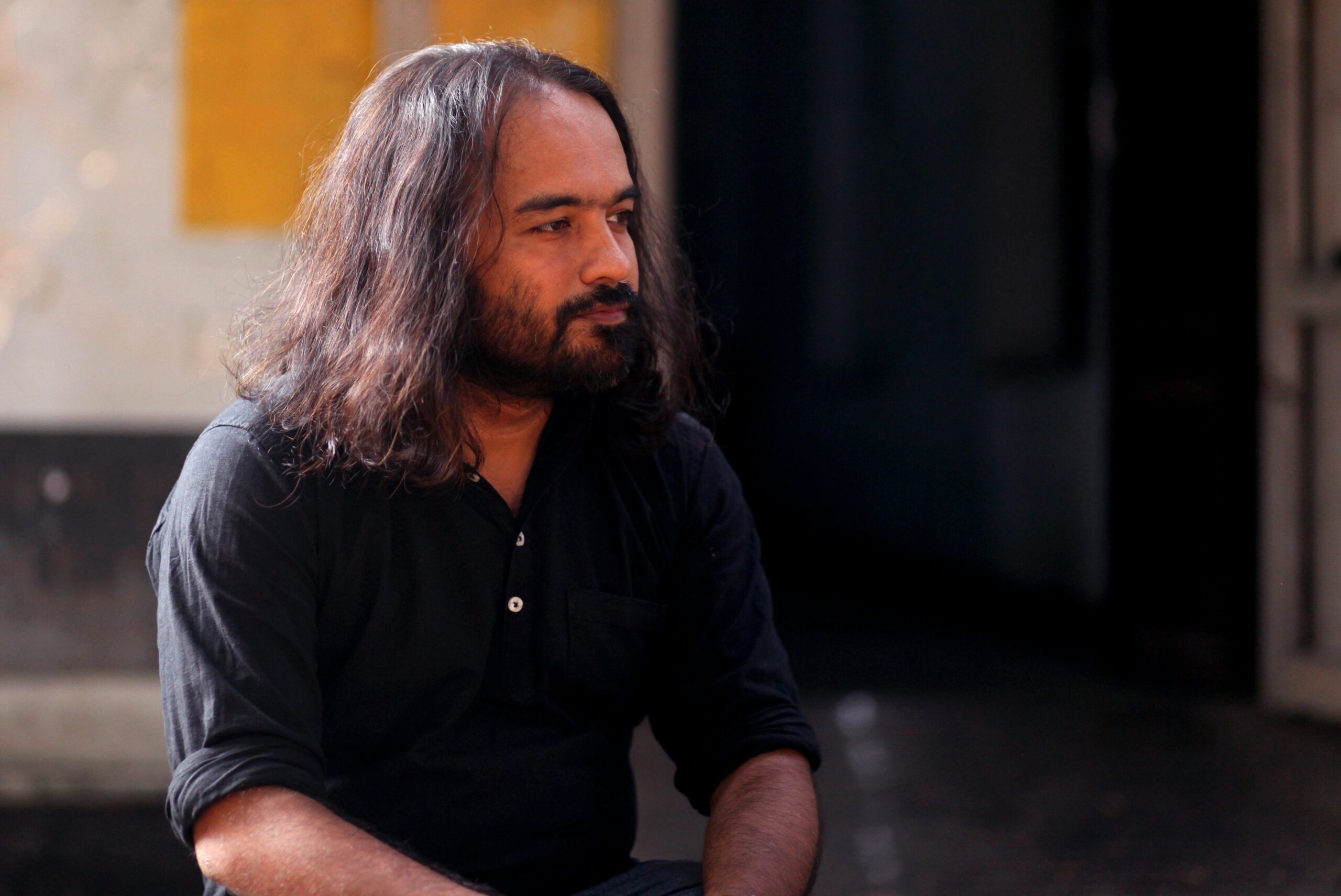
The first time I saw Unishe April, it was on TV in the mid-1990s. It didn’t leave an impact on me. But I was in my early teens. There was some furore about it in the film pages of the newspapers in Calcutta. A new auteur of Bengali cinema. A shock of curly hair and mischievous smile. Rituparno Ghosh. I didn’t think about his cinema until many years later when I was an international student in the US yearning for Bangla cinema. I started watching Rituparno films partly on YouTube, partly on DVDs. Over the years, he came out as queer. Over the years, he shaved his head. Over the years, the filmography veered towards autobiography. And suddenly, the auteur filmmaker, the queer guru, the charming talk show host was gone at age 49. I want to revisit three of his films – Noukadubi (2011) based on Tagore’s novel, Raincoat (2004) based on O’ Henry’s short story The Gift of the Magi, and Titli (2002) which I have watched several times, and may have blogged about in a different era when blogging was a thing.
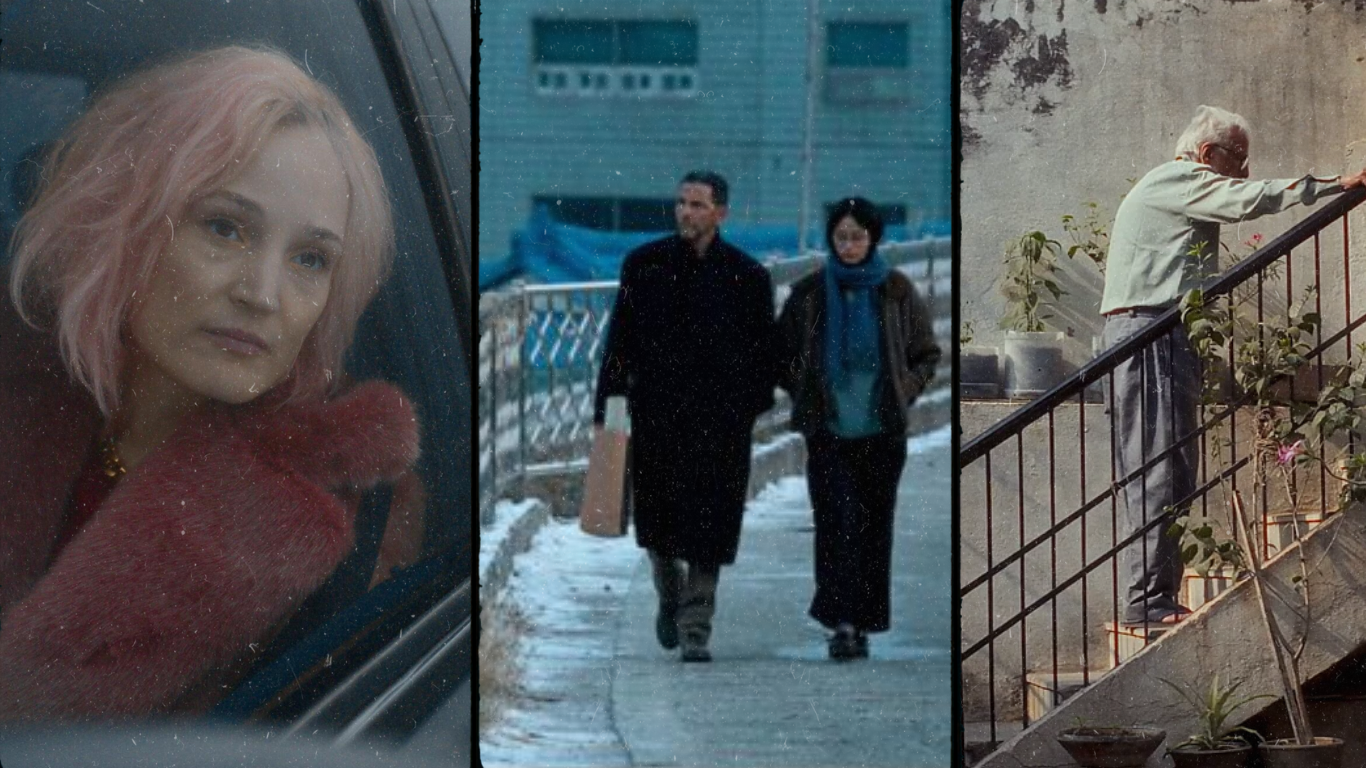
In a tale of twists of destiny, Noukadubi shows a woman (Raima Sen) losing her lover to social pressures who then gets married to a village girl on the insistence of his father. The couple separate as their boats turn over in a seastorm. This is a predictable Tagore move. Rituparno amplifies the riverine quality in the film. A girl emerges on the shores looking for her husband (Riya Sen) who she has barely seen at the time of their wedding. A set of intertwined destinies unfold as love moves likes chess pieces. Srikanta Acharya sings the shloka sangachhdhwam sangabadhyam as the realisations of guilt and grief actualise on banks of the Ganges at Benares. The river appears as a major character in the film. The river flows collecting traces of complaint, guilt, grief, repentance, charting its own destiny but not out of any clear sense of purpose. Life unfolds in and through love without its sharp purposefulness, in fact, deliberately interrupting its purposefulness. Rituparno himself plays a cropped hair widowed mother and dowager zamindar.
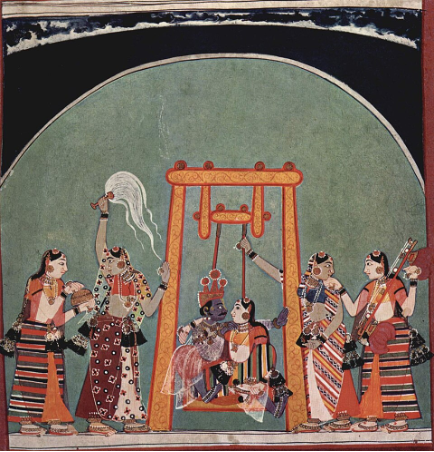
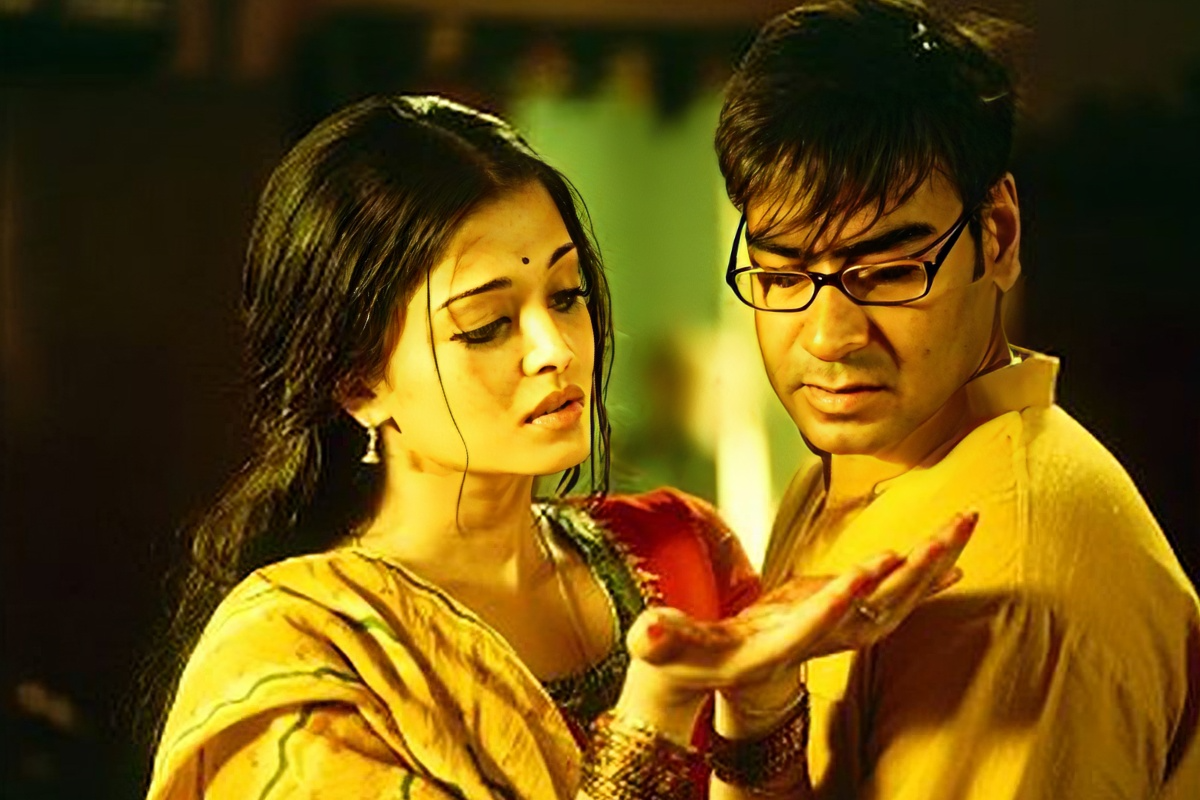
Cut to Raincoat. Only on Rituparno’s camera, does Aishwarya grow thoroughly, actually ethereal. Shubha Mudgal personifies Radha as she sings Akele hum nadiya kinare. She sings several other songs in a haunting Brajbhasha. My favourite is Mathura nagarpati. This is a Hindi language film, it should be noted. Ajay Devgan plays the jilted lover who never could commit to a lifelong bond. He lives in repentance, struggling financially to establish a business. Aishwarya, supposedly married into a wealthy family, lives with an abusive and gambling husband whose whereabouts she does not know half the time. The main charm of this film is the claustrophobia of two estranged people meeting after years making small talk, reflected across the dark, cluttered environs of an old ramshackle house where Aishwarya lives with her elusive husband. Pretences fall away across the day and surviving love and care comes to the surface. Rituparno does not comment on their desperation, pretence, only holds up a desperate human capacity for love.
Cut to Titli. Srikanta sings again: an evergreen song, megh peoner bager bhitor – a hattip to Kalidasa’s Meghduta – a song about clouds doubling as a postmen for lovenotes to be delivered. Konkona Sen Sharma, barely an adult at the time, takes the film away. If I understand correctly, this is the inaugural film of Konkona’s adult cinematic career. Mother and daughter (Aparna Sen and Konkona Sensharma) who live in an affluent teaplanter householder in north Bengal, are in love with a Bollywood actor, Mithun Chakraborty. Mirrors of Ray’s Kapurush, also based in the teaplanter world of loneliness amidst natural beauty, emerge in the film. An unfinished love of a past youth resurfaces when two cars meet each other on the way to the airport. Aparna and Mithun recite Tagore to each other in a moment of vulnerability. Konkona watches her heartthrob Bollywood star Mithun romancing her mother from a distance, biting ferociously into chewing gum.
I once wrote a poem saying everyone comes out of heartbreak and becomes rational citizenry, worker, protester, policymaker, bureaucrat, and what not. Rituparno shows that same phenomenon through Aparna Sen who lives a happyish life for decades after Mithun left her for Bombay ambitions and she married a teaplanter. The mountains, the cluttered household, and the river – the physical environment is masterfully marshalled to tell a story about human beings. Konkona’s infatuation about a Bollywood star at age sixteen is also convincing. Her ferocious chewing of gum and steely gaze at her mother gazing at her heartthrob is uncannily memorable. One can predict Konkona’s long career from here onward. Mithun becomes a muted, polite man who reeks of the satisfaction of dreams of success actually realised. Aparna Sen displays a wonderfully reserved heartbreak in a satisfied housewife cloak.
These are films about love with a capital L gone awry. All of them. Rituparno lives on as a bard of love in some sense. He gets vulnerability right. Many people say that he really gets women. I think not. It is that he gets how people are at their most vulnerable. It is this terrifying ability to pay attention to the minutiae that holds up our worlds that makes Rituparno the auteur director that he was. Dining tables, cluttered kitchens, clothing lines, hurt male egos, and finally, routinisation of heartbreak. There was a Bengali middle-class-ness that served as the signage of Calcutta, even when they were located in alien environments like north Bengal and Benares. I was yearning for some sort of home, literal or metaphorical, that I found in these films. Rituparno slowly came to be “home”. I have been a vagabond for over a decade, across cities, countries, houses, desks. Cultural ensembles of songs, poems, films, have come to mean home to me. In a way that I have watched Titli several times in makeshift homes, in planes, on the ipad, played the song over and over on the phone – just to feel a bit rooted. Rituparno came to hold my soul, even if I remained restless and peripatetic.
Inside Rituparno’s camera, actors transform. Inside Rituparno’s camera, a bodily poetry is born. Aishwarya has mild dark circles, Devgan loses his swagger just a bit, Mithun grows pensive, and Konkona rides high into the horizon. I wanted not to mention Memories of March – the bilingual film was completed posthumously featuring the man himself and Deepti Naval both mourning the death of a young man – for one, a queer lover and for the other, a son. But I think I will, briefly, because it is fitting that he left behind a queer film that refuses the tag of a queer film. A mother of a dead son refuses to acknowledge his queer sexuality and yet forms a strong bond with his older lover as they grieve together. The man left behind a fitting commentary in this film of his entire oeuvre, one that refused the tags of realist films, regional films, bourgeois films and what not. Men and women bond across conflicts on Rituparno’s screen, and show their unfailing capacity for love.
Image credit: Still from Raincoat (2004)