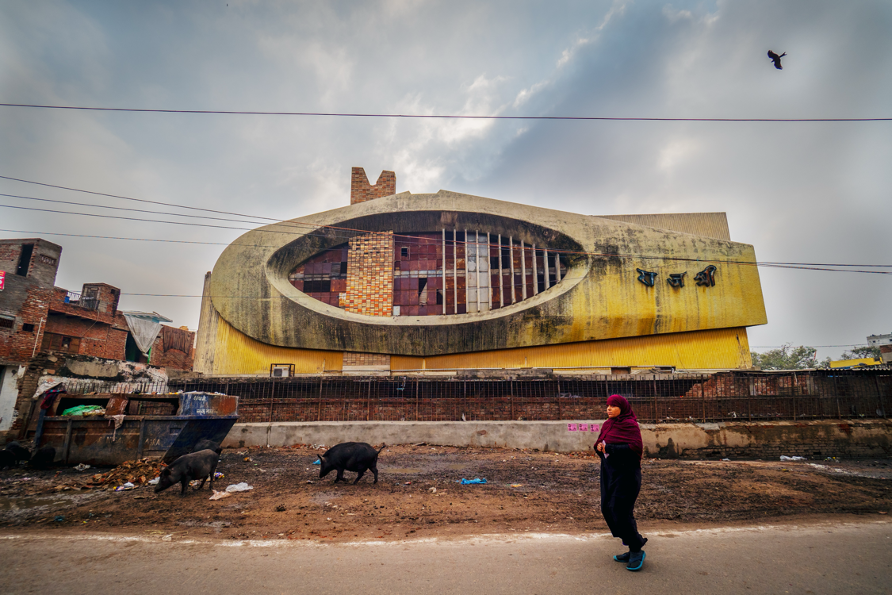
On a recent road trip through Gujarat, (a state I had visited in 2019 in my quest for Single Screen Cinemas) I discovered that 90% of the spaces I had photographed had been demolished.
My Google Maps application is overflowing with green flags that mark every cinema I have visited in India. On a few occasions I have revisited routes for other projects, and as I drive past the cinemas the green flags represent, I find them missing. The plot is either lying empty, bereft of the grand architecture of the erstwhile cinema theatre, or replaced by some soulless aluminium cladding panel covered commercial complex.

In almost 7 years, I have driven in excess of 60,000km through 21 states of India and photographed over 1250 Single Screen Cinemas in more than 1000 towns and cities. Of these, at least 750 have been erased permanently. The post-pandemic rush to end a historical legacy of spaces for collective entertainment, social equality and universal joy, came as a surprise. While I was well aware of the impending end of cinema exhibition as we knew it, I never thought it would happen so rapidly.
The world discovered the OTT option during the pandemic and the OTT platforms seized this moment as a grand opportunity to give the world exactly what it demanded. There was an entire era, of hundreds years, where our modes of entertainment, be it dance, drama, music or cinema, controlled us. One would have to make a plan, go to a venue, buy a ticket, settle down, and be captivated by what unfolded before our senses. Today, we want to control our entertainment—when we watch, how we watch, and what we watch. When one sat in a movie theatre, one was ready for the full three-hour experience. Irrespective of moments that were possibly less engaging than others, one was there until the bitter end. Unpopular songs would result in loo and cigarette breaks, but the audience would soon be back in their seats. There was no “Pause” button in a cinema theatre, like there is in our homes. Given the attention spans of the denizens of the 21st century, one false moment, and the remote comes out. It is the same difference as between listening to a vinyl record versus a Spotify stream.
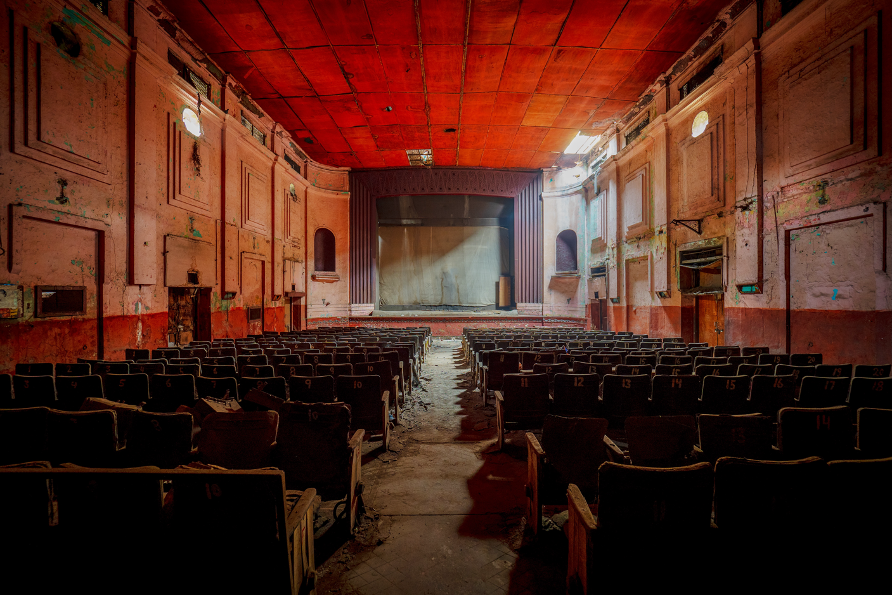
While chatting with a young, third generation cinema owner in Hyderabad, who was lamenting the onslaught of online entertainment, we spoke about the change in the cinema-going demographic. With the erasure of the 1000-seater Single Screen Cinemas, and the proliferation of the expensive multiplexes with small auditoria, suddenly a significant number of ticket buyers was excluded from the movie-watching experience. An entire social class was denied the once common joy of a collective socio-cultural experience. This is the social class who would have contributed to at least 70% of the ticket sales per show, per day, per week, per film. They have been reduced to watching movies on small devices with cheap earbuds, as data becomes cheaper and cheaper, if not free! I jokingly mentioned to the cinema owner, that the true impact of a movie is when the viewer is considerably smaller than the screen, not when the viewer is significantly larger than the screen!
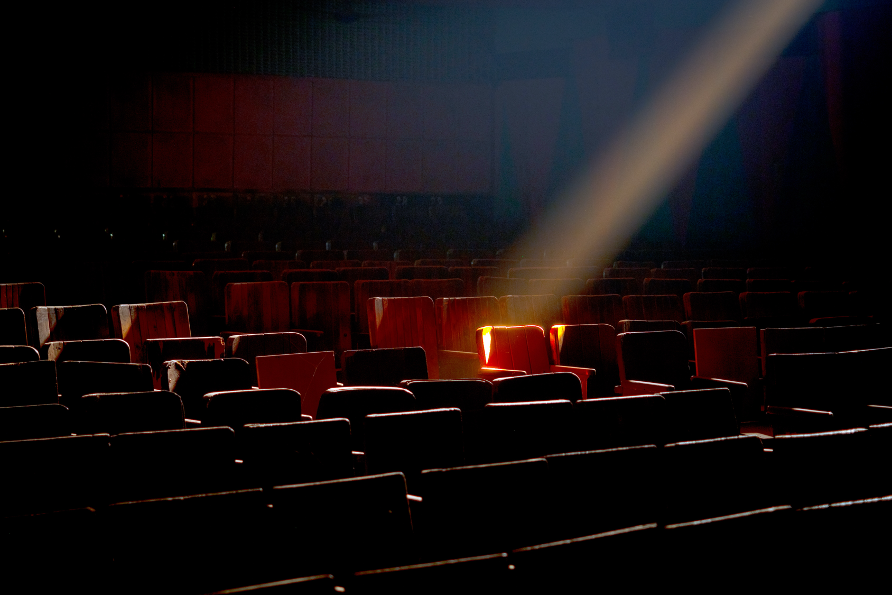
And this generation does not even care, they got used to watching movies on bad screens with bad sound, and in instalments. And it is not their fault. They don’t really have a choice. Every generation forgets something that a previous one cherished. It is the way of the world. The March of Progress cannot be quelled. In this case, amongst many factors, it is some dreadful decision making by successive policy makers that led to the end of the glorious era of cinema exhibition.
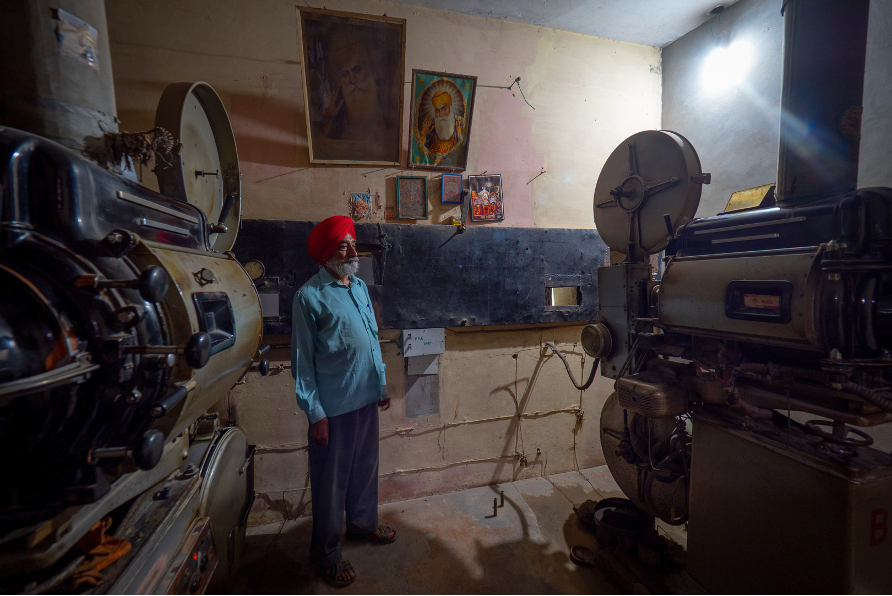
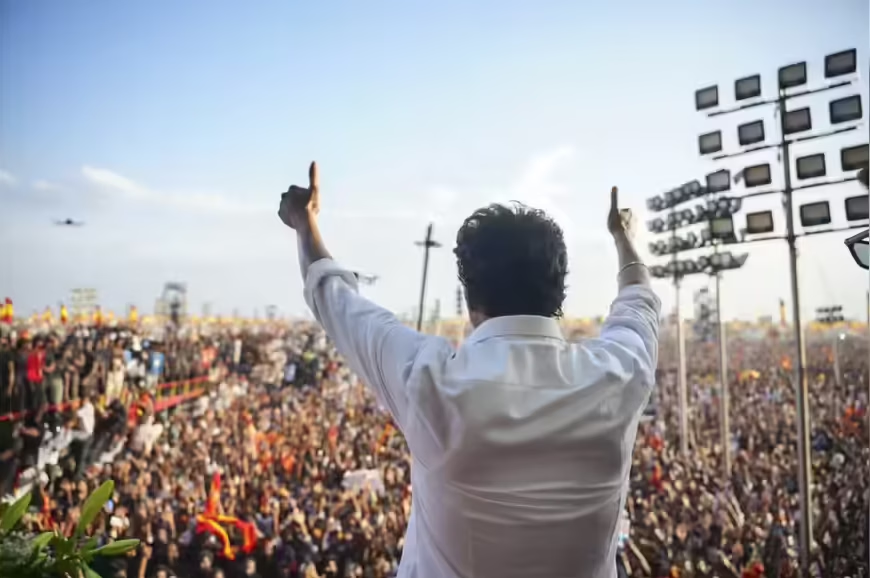
South India, however, still manages to run Single Screen Cinemas successfully. While their numbers might have reduced dramatically, the few hundred remaining ones still do spectacular business for a reasonable number of weeks every year. The veneration of the movie star in the four southern states is beyond parallel in India. And since they dub their movies in each others’ languages, they manage 10-15 superhits in a calendar year, in addition to at least 4 blockbusters! Those blockbusters do roaring business dubbed in Hindi as well. Maybe the Bombay film industry should learn a lesson from this example!
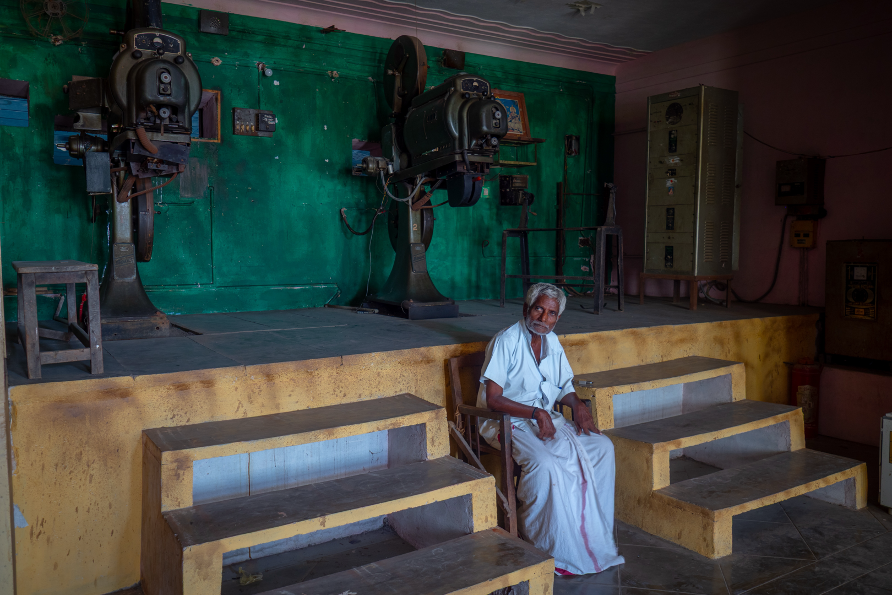
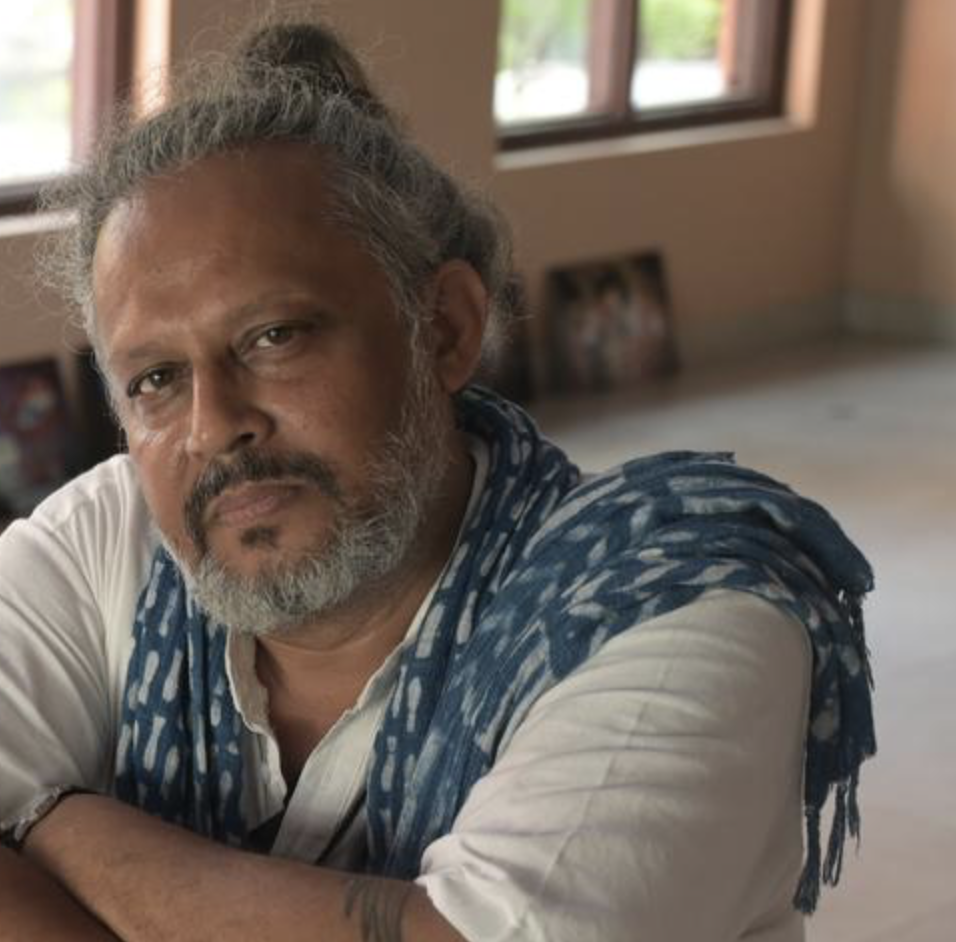
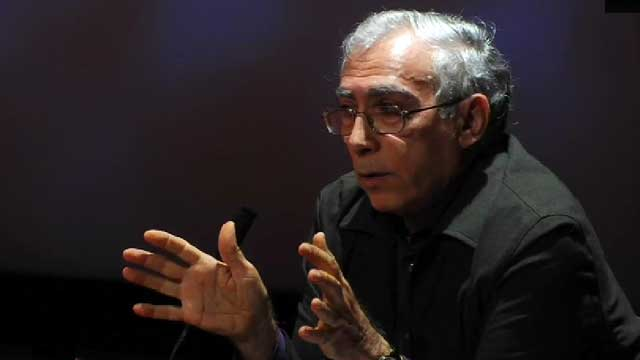
While in a conversation with the multiple National Award winning cinematographer and director Shri A.K.Bir (for “Chhayaankan-The Management of Shadows”, my documentary on Cinematography) he said something very interesting. He spoke about how the “Hero” is a creation of the commercial world, and how the entire eco-system functions around that particular individual. The manner in which the “Hero” is packaged and presented to the world is expected to determine the commercial success of the movie. With the relative collapse of the “Hero” in Hindi cinema, there are almost no actors who currently have the kind of crowd-pulling stature our previous generation of actors did. In fact, as a cinema owner in Rajasthan told me when I asked him why he had chosen to close for business (he had shut his cinema in 2018) he said Amitabh Bachchan could sell 1000 tickets per show, per day, per week, per month, per year, but Ayushman Khurana can’t sell 1000 tickets in 52 weeks.
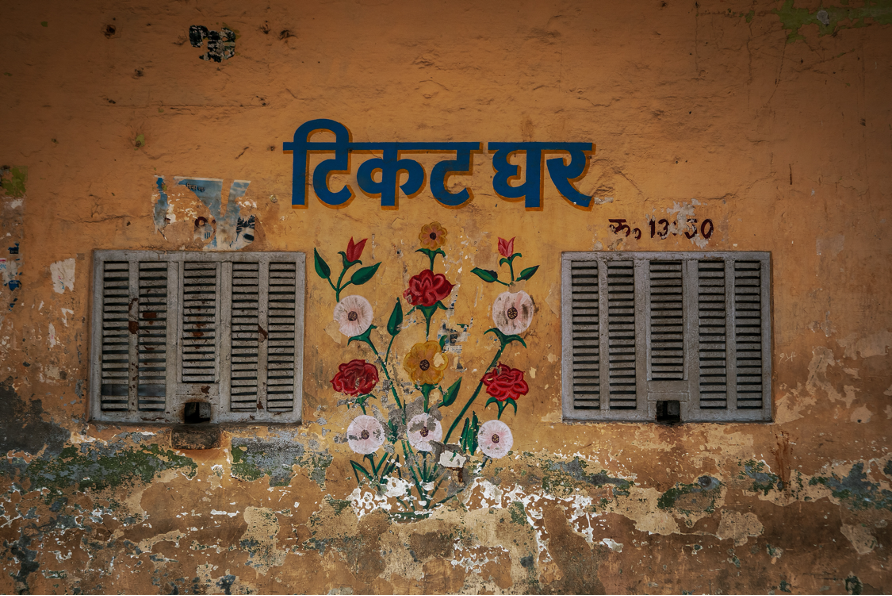
The more I travelled, the more history I found, the more knowledge I gained, and I am grateful to my own enthusiasm that I managed to pull off this gigantic project of memory and loss. Eventually, other than the spaces that get erased, it is the stories and anecdotes that vanish as well. It has been my attempt to also gather as many of those as I could and a unique history is now safe with me.