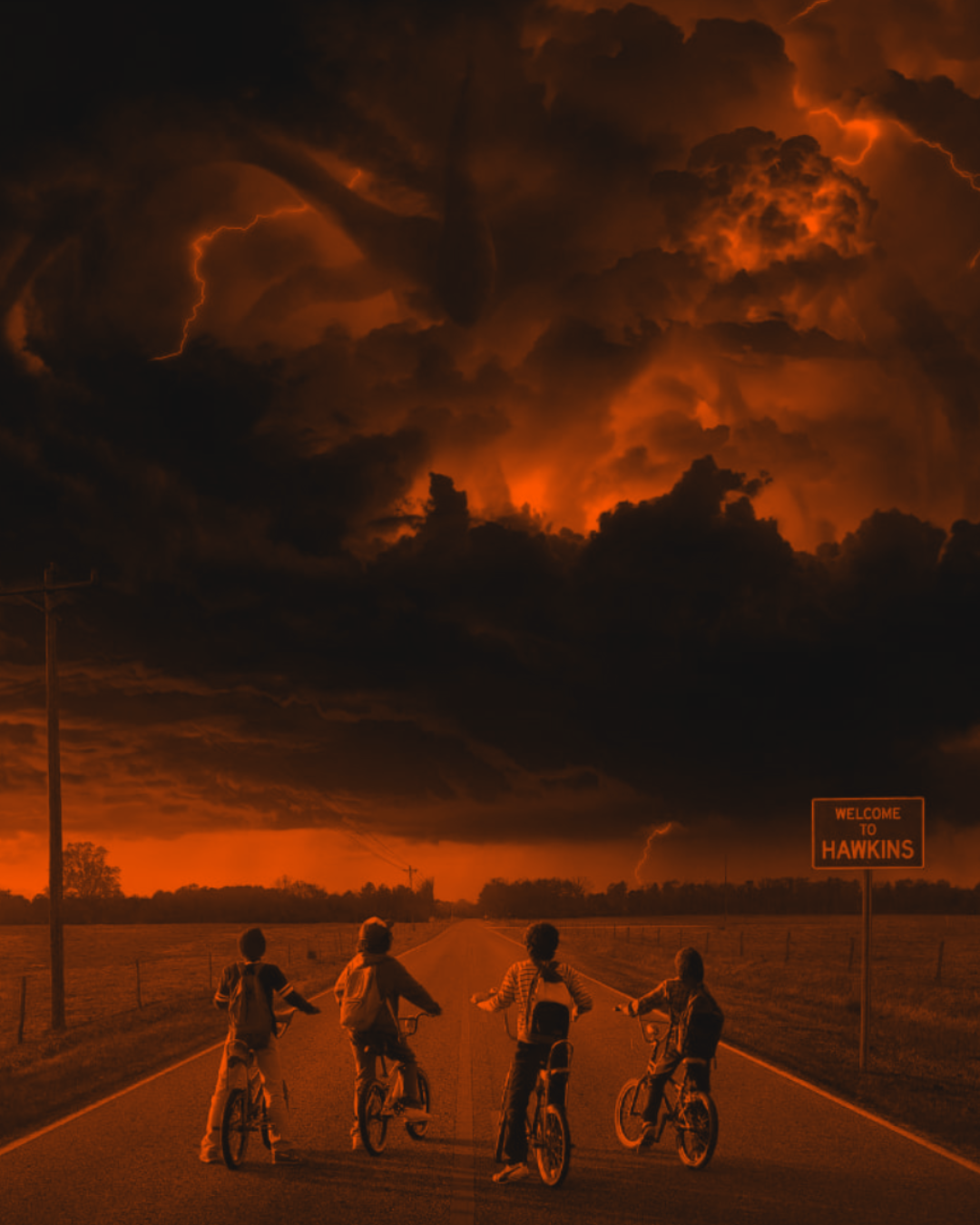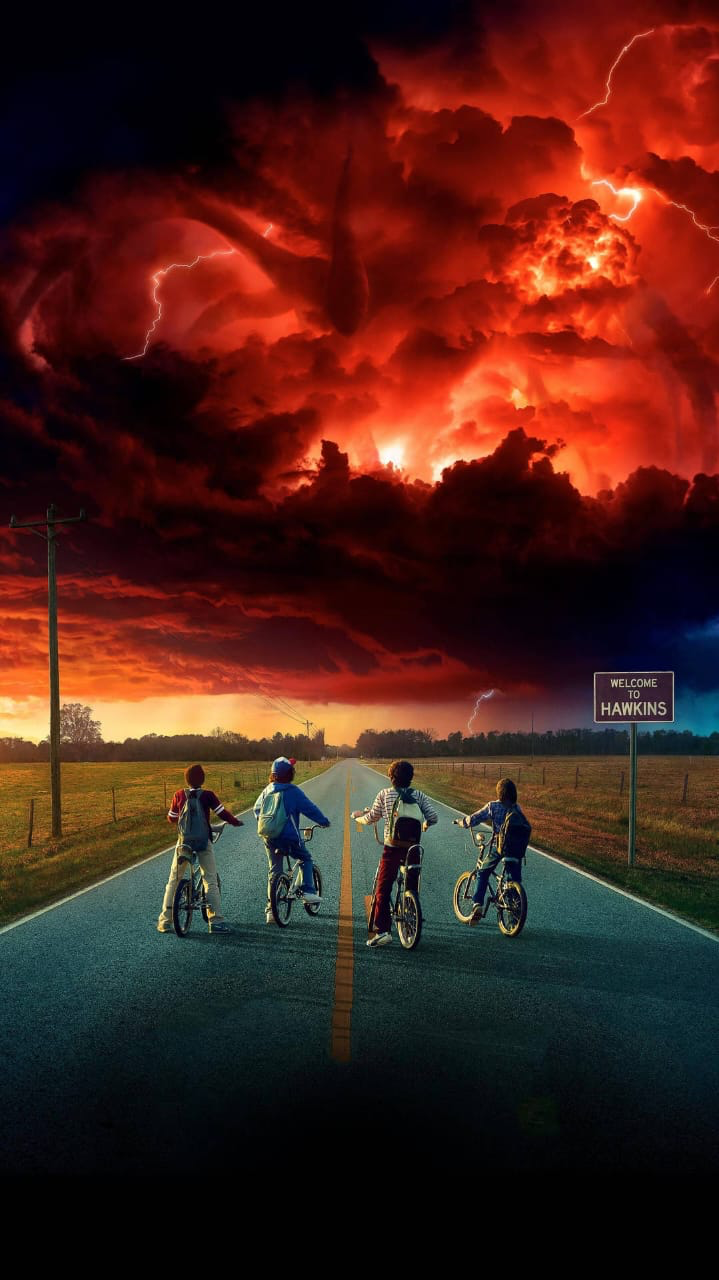
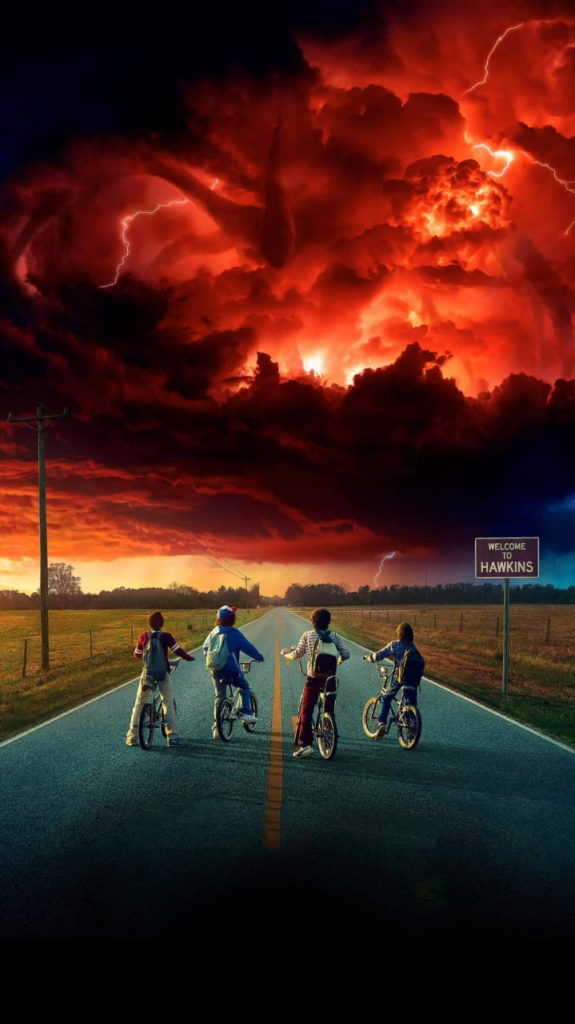
The Duffer Brothers’ Stranger Things released its final season in three installments over the winter of 2026, and was met with mixed reviews from fans and critics. Season five contained the lowest rated episode of Stranger Things ever according to IMDB, “Chapter Seven: The Bridge.” Many fans were so disappointed that they convinced themselves a secret ninth episode was coming, creating a phenomenon referred to as “Conformity Gate” which resulted in Netflix crashing when so many fans tried to log in and watch the non-existent final episode. After waiting over three years for the final season, this level of collective dissatisfaction among fans speaks to a failure to deliver a conclusion that tied up loose ends and satisfied audiences who had stuck with the show for nearly a decade.
The final season went wrong not because of specific plot points or character development, but rather due to a failure to understand and stick with the conventions of an existing subgenre that the show has always existed within and built itself upon, colloquially known as “Kids on Bikes.” Kids on Bikes is so well defined that a table top roleplay game with the same name was released in 2018, inspired by such stories. This subgenre, originating in the 1980s, is one that audiences can recognize even if they don’t realize how distinct and specific it is, and Stranger Things left audiences feeling off when they diverged from tradition. This article, in its Part I, will seek to clarify the key themes of the Kids on Bikes subgenre, explain how Stranger Things failed to deliver them, and in Part II, compare Stranger Things to the HBO prequel It: Welcome to Derry in order to show that works in the subgenre can age successfully, unlike Stranger Things.
Andy Muschietti’s adapted It franchise, specifically the 2026 HBO prequel TV show It: Welcome to Derry is in a unique position for comparison because it is both a modern example of subgenre conventions and a product of the original wave of stories in this subgenre (due to it being an adaptation of King’s 1986 novel). Juxtaposing the two shows allows for further analysis of old trends, modern trends, and missteps. While imperfect, It: Welcome to Derry ultimately settled into the subgenre it rightly exists within to deliver a story with balanced interpersonal and supernatural plots, playing upon audience’s feelings of nostalgia, and simultaneously introducing refreshing modern conventions to an old formula.
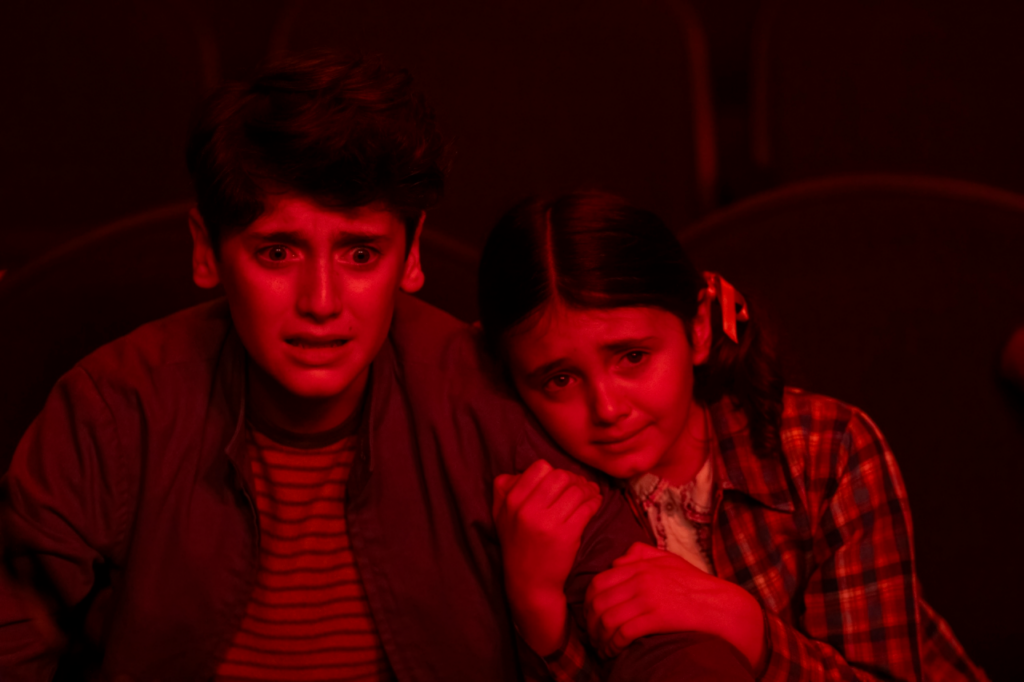
The crucial failures in the final season of Stranger Things are:- creating too much separation between supernatural and interpersonal conflicts, sidelining character development in favor of over-explaining scientific minutia, and reducing emotional conflicts to rising action for CGI battles with monsters. These choices deprived the show of the initial nostalgic and emotional impact that made it so beloved in the first place. . Considering the origins of the “Kids on Bikes” subgenre will illuminate the conventions Stranger Things spawned from and how it has failed to follow through on them.
80s Origins & Subconscious Fears
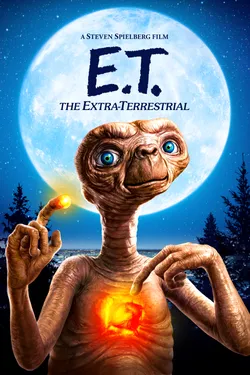
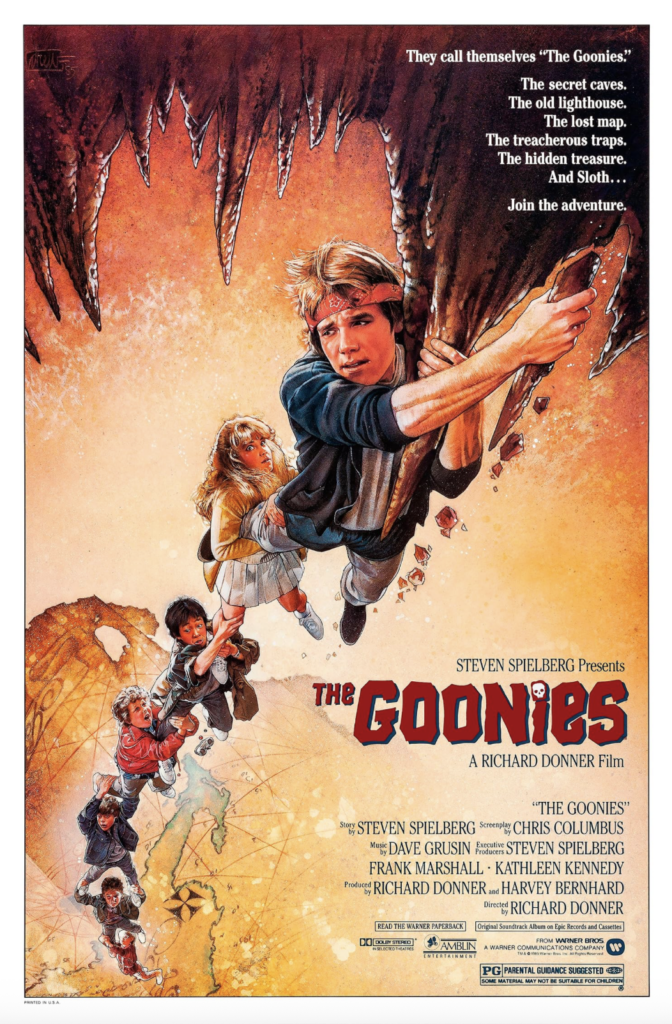
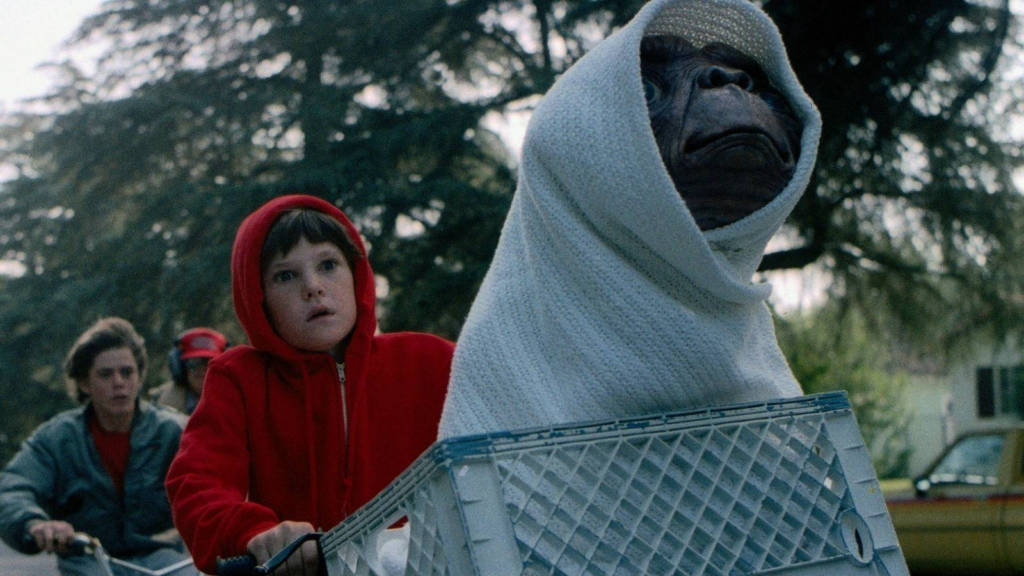
“I never had any friends later on like the ones I had when I was twelve. Jesus, does anyone?” Stephen King’s protagonist Gordie observes near the conclusion of novella The Body, more commonly known by the title of the 1987 Rob Reiner film adaptation Stand by Me. This sentiment sums up the feeling and ideas of the Kids on Bikes subgenre, which arose in the 1980s, stemming both from the works of Stephen King, and from iconic boyhood films like E.T. The Extraterrestrial, The Goonies, and The Outsiders. These works follow their eponymous kids on bikes, usually over one or more summers, as they form deep bonds of friendship and fight some large evil force (usually either truly supernatural, or suspected to be) that is invariably representative of their larger looming fear of growing up.
The classic Kids on Bikes coming of age story centrally plays upon the desire young audience members feel to be truly seen by and included by such groups of friends as the Goonies, the Outsiders, or the Losers’ Club. With ensemble casts of four or more boys, these stories show the promise of chosen family and safety in numbers. These groups protect each other from the stories’ conflicts, which are layered and interconnected. The kids are always bullied by their peers, usually older boys who torment them for being different. They also face trouble at home, usually abusive parents or financial issues. All of this is compounded by some larger, more supernatural or extraordinary threat that takes normal, relatable issues and escalates them to encapsulate the “end of the world” feeling that comes with growing up.
The Goonies, for instance, deal with looming foreclosure and being tormented by a bully named Troy, but they also search for buried treasure moving through life-or-death booby traps, and fight the Fratelli mob family who threaten their lives (one of whom they believe to be a monster). In E.T., Elliott is chased by bullies on bicycles similarly to how he is chased later in the film by government agents threatening to take E.T. away from him. This subgenre convention specifically blends relatable conflicts and a fear of being different with the fear of death and monsters—the science fiction or horror element of these stories is a catalyst through which kids can understand their feelings and fears about getting older. The subgenre levels with young viewers and allows them to admit, even if subconsciously, that being bullied or saying goodbye to childhood does feel horrific on the same level as having your life threatened, and it effectively allows these feelings and fears to be processed.
Stock Characters
Like any subgenre, there are archetypal characters found in each Kids on Bikes story that have become cemented as fixtures and must follow a certain arc for the story to fit within the subgenre.
Beyond the stereotypical 80s bully described above, the subgenre also establishes an older brother character—The Outsider’s Darry, The Goonie’s Brand, or E.T.’s Michael. Brotherhood is deeply important thematically in these stories, as the older brother serves as a model or example for the younger main characters to grow up into—he further assists them (and the readers/viewers) in channeling their concerns about growing older by providing an example of positive maturity. These older brothers do not typically start out as likeable, but undergo character development over the course of the stories to ultimately step up and protect their younger brothers. Their quick journeys into maturity show viewers an alternative to the Peter Pan complex of staying young forever, and takes a subgenre that could easily idealize never growing up and instead glorifies growing into the type of young man who can protect his family, respect women, and live without fear. There is perhaps no example of this character more perfect than Stranger Things’ big brother figure Steve Harrington, an almost greedy execution of this subtle subgenre convention in the most overt way possible.
Stephen King complicates the issue of brotherhood in both It and Stand By Me. In the former, main character Bill Denbrough sends his younger brother Georgie out into a storm to play which results in Pennywise killing and eating him. From the very start of the story, Bill must reckon with his own perceived failure to protect his little brother, something not generally seen in this subgenre. In Stand By Me, Gordie’s older brother Denny is not present in the narrative at all, except through flashbacks, as he has died in the war leaving Gordie alone to fend for himself without narrative protection. These subversions further underscore the importance of the older brother figure in these works of fiction, as King’s complication of the existing archetype only goes to show how crucial it is to the arc of these stories. Bill must strive himself to become the older brother archetype for his friends, and Gordie must search within himself to decide how his brother would advise him—both of these characters’ journeys without their older brothers create empty space in the narrative where he should be, highlighting how crucial he is as a figure.
Stranger Things also showcases Will’s older brother Jonathan Byers struggling to fit into this role, constantly in competition with the seemingly-perfect Steve. Jonathan has grown up since the start of the show despite his young age. But instead of maturing over the arc of his story, he seems to degenerate, becoming addicted to drugs in later seasons and not going to college, though ultimately, he provides emotional support and protection for his little brother and returns to school. This is a fascinating and nuanced complication of the archetype, but does not amount to much as Jonathan is never given a focused moment of character development or change, and rather exists as a mostly-static focus in the background of the action.
Contrastingly, in It: Welcome to Derry, no overt big brother is present, however the show makes the surprising choice to borrow King’s iconic character Dick Halloran from The Shining and Dr. Sleep and relocate him to Derry. Halloran struggles with finding his purpose and making friends throughout the show, but ultimately protects the children and joins them to combat Pennywise. His arc reflects that of the big brother archetype, and his protection of the show’s Loser’s Club earns him the designation. This gesture also pays homage to the Stephen King universe of characters, many of whom appear across multiple books, further playing on feelings of nostalgia. Halloran’s deliberate character development and actions contrasts Jonathan’s quiet reversion in the final season to an ambitious and protective older brother without a focused catalyst for his development and where he ultimately ends up.
It’s interesting to note that this subgenre uplifts brothers—not fathers. In fact, the abusive or absent father is another archetype within the Kids on Bikes subgenre. Gordie and Bill’s fathers ignore them following the loss of their brothers, Ponyboy’s father died in a car accident prior to the start of the book, Elliott’s father has left the household to be with another woman, and Mikey (of The Goonie’s) rarely sees his overworked father. Beyond just Bill, Stephen King’s It displays a plethora of terrible fathers across the Loser’s Club, with Ben, Eddie, and Mike’s fathers being absent or dead, Beverly’s being physically and sexually abusive, and Stanley’s being constantly disappointed and disapproving of him. Only Richie’s father, Wentworth Tozier, is blameless. Stranger Things includes multiple bad dads of their own, including Will and Jonathan and Max and Billy’s abusive fathers, and of course, Dr. Brenner as El’s manipulative “papa.”
Following through on this tradition, It: Welcome to Derry describes character Lily Bainbridge’s father’s grisly death in a pickle slicer. However, in an interesting and seemingly very intentional subgenre subversion, the creators of the show give two of its main children, Will Hanlon and Ronnie Grogon, great dads. Despite this, anyone who has seen It: Chapter One knows that Leroy Hanlon (Will’s dad) won’t stay golden—he opens the film harshly berating his grandson Mike for not being able to kill a sheep, before taking the gun and shooting the animal himself. This is a sharp departure from the kind, gentle parent we meet in the prequel, however, at one point in episode six, fittingly entitled “In The Name of the Father,” Pennywise’s influence on Leroy makes him strike Will, which he later regrets. This uncharacteristic abuse of his child is framed through the influence of the dark evil force, a further way of understanding dark realities of life through overarching supernatural forces. Stranger Things seems not to investigate the father archetype beyond providing El with a new father figure in Hopper, who struggles with parenthood and the loss of his first daughter, and ultimately loses El too, a decision that seems unnecessarily cruel and without narrative resolution.
These are essentially stories of heroes and villains—archetypal heroes like the big brothers and group leaders fight villains in the shape of bullies, parents, authority figures, and/or supernatural or scary beings. This dichotomy serves a purpose in allowing young people to project their abstract, existential anxieties about being different or things changing as they age onto a physical body or organization of evil like Pennywise the Clown, the central dead body in Stand by Me, or the wealthy country club developers of The Goonies. By externalizing and normalizing common fears while simultaneously reinforcing the power of friendship and community to combat such fear, this subgenre teaches young people important lessons while also entertaining them with relatable, endearing characters.
The concluding part of Esmé’s analysis can be read here.