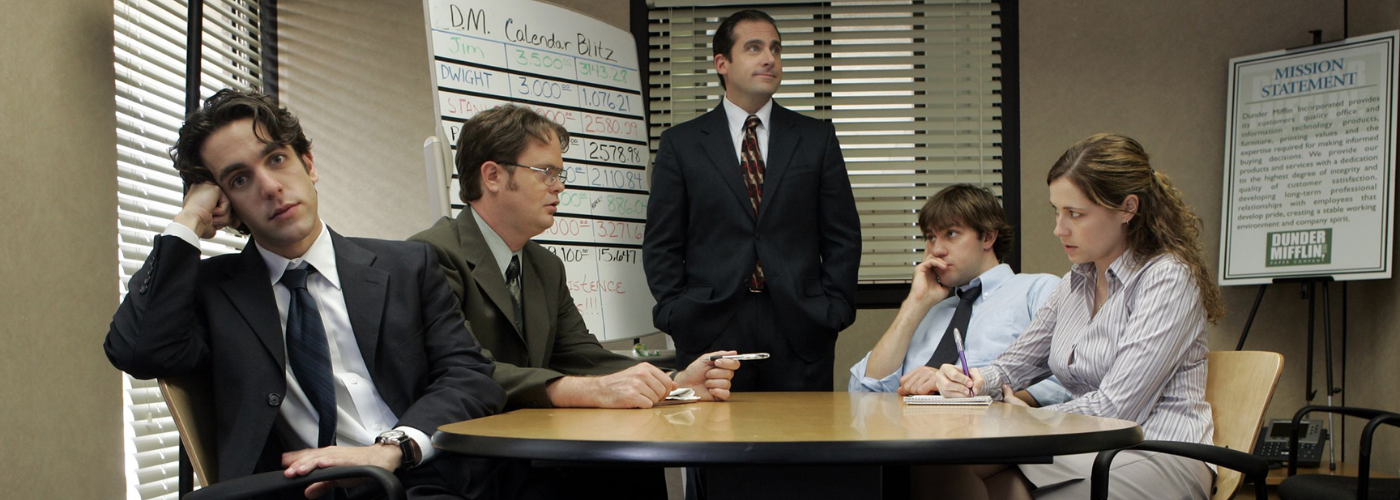
At the mention of Cold Opens, most would think of a signature workplace escapade set at the Scranton branch of Dunder Mifflin, or some investigative antic at the Ninety-Ninth Precinct of the NYPD just before opening credits roll. These brief scenes, designed like short, standalone pieces of sketch comedy, have become some of the most memorable moments of iconic Sitcoms. Collations and reels of these scenes abound on the internet, and garner immense engagement regardless of when they originally aired. They fit very comfortably in with the algorithms designed to cater to increasingly shortened attention spans of the average consumer. These undoubtedly classic scenes, though, only scratch the surface. In fact, the definition often assumed of late, of the Cold Open being a ‘brief standalone comedy vignette,’ is technically incomplete.
Apparently, many are oblivious to this fact. I had to argue at length with a friend about how Cold Opens are not necessarily standalone and unrelated to the rest of the plot. When we subsequently ran our argument through our circle, a large majority held the same misconception about the concept. Such a narrow perception is not a coincidence. A brief YouTube search mostly throws up Cold Open compilations from shows mentioned earlier (i.e., Brooklyn Nine-Nine, The Office, etc.) as well as the likes of Community and Parks and Recreation. All these scenes largely followed the ‘brief standalone comedy vignette’ format.
It would seem, therefore, that the Cold Open is undergoing a case of semantic narrowing in some spheres of general parlance. One of the most versatile cinematic tools in popular culture, employed in remarkably diverse ways over time, seems now to be losing its identity to what can perhaps be called the TikTokification of the media landscape. This piece aims to explore the vibrant and widespread legacy the Cold Open carries, if only to be able to make a better case for this classic cinematic tool during the next friendly debate.
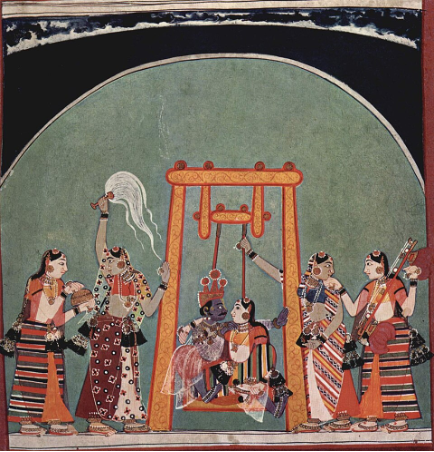
Firstly, even if associated primarily with new age media like sitcoms at present, the fundamental concept of the Cold Open is by no means a modern invention in the realm of the performing arts. Its predecessors, like ‘Prologues,’ were employed even in the earliest Greco-Roman comedies and tragedies. Menander, foremost of Greek dramatists, for instance, employed characters such as the god Pan to deliver prologues, even if they were seldom part of the actual story. Bharata’s Nāṭyaśāstra (date BCE-200 circa. 200BCE-200CE) also prescribes that plays start with a preambulatory dialogue between the Sūtradhāra and his assistant. Even Bhāsa, known for his rebellious playwright tendencies, started his dramas with a Sūtradhāra and his sidekick simply beckoning toward the main plot before exiting, never to be seen again. Much like Cold Opens, these scenes did not simply dissolve into the narrative; they commanded a degree of distinctiveness in stage identity of their own. The modern Cold Open is thus one recent addition to a long line of experimental visual narrative openings.
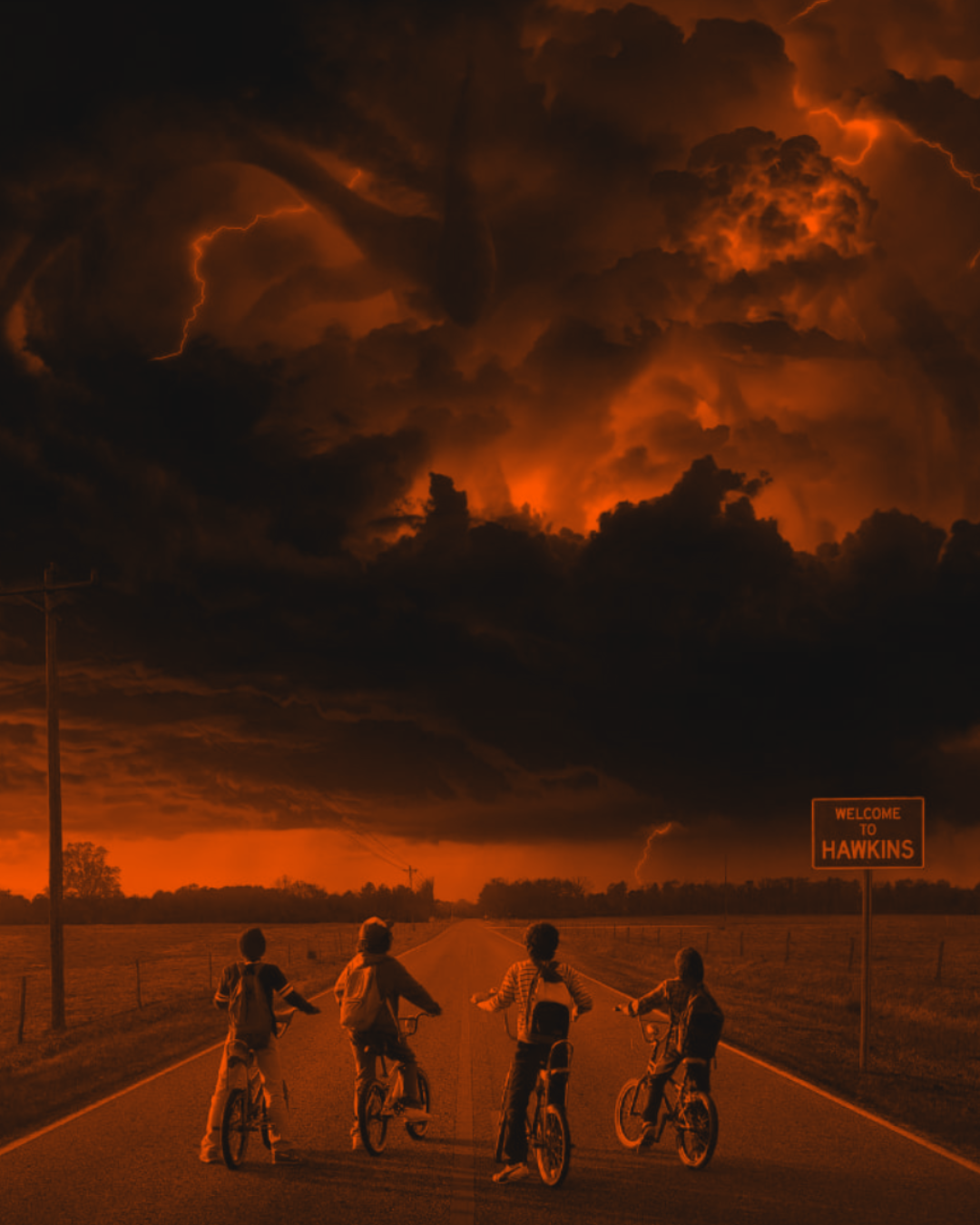
In fact, the Cold Open first appeared not on television, but in long-form movies, sometime in the middle of the 20th century. They began being used primarily in action and thriller films, an obviously effective tool to build suspense. Perhaps the most iconic movie franchise to debut the Cold Open was James Bond. They have been staples in the series since Connery’s From Russia With Love, the second film of the very first era. The initial decades of the franchise featured action vignettes unrelated to the main plot before the title card. By the 1980s, Bond Cold Opens began acting as teasers or context to the storyline of the films. While initially defying the orthodox threefold narrative arc, the structure is embraced in later eras of the franchise as a form of tactful foreshadowing. Instead of becoming cliché or formulaic, as one would intuitively think, the Bond Cold Open is widely popular and employs a diversity of catchy tropes. This precedent is soon followed by numerous film productions in the West, popularising the Cold Open in the action and thriller genres. Notably, their adoption onto the home screen was subsequent to trends on the big screen. American Sci-Fi Star Trek, which even now wields great fan following, for example, employed the technique extensively.
Over the decades that followed, Cold Opens became almost commonplace for a period. The ‘90s gave us the Auteur of Violence, Quentin Tarantino, who embraced this device to make some of the most memorable scenes of his films. His favoured Cold Open format is the in medias res, a truly ancient technique, where a scene from the midst of the narrative is played with no direct context before the title card. This expectedly jarring flow of screenplay reels the viewer into inescapable intrigue due to Tarantino’s expert direction. Even today, movies like Kill Bill, Inglourious Basterds, and Pulp Fiction feature on entertainment magazine lists of movies with the best Cold Opens. Thanks to these developments, most do not even blink an eye at the Cold Open in an action movie today. It is lost on most that the opening of their choice action film uses the same hook device as their favourite sitcom. From the martial arts films of the end of the 20th century to the superhero movies by Marvel and DC, the action movie Cold Open has made itself so seamlessly at home that no one sees it as out of the ordinary.
The comedy Cold Open, primarily abetting the semantic narrowing in recent years, was pioneered and is synonymous with American Saturday Night Live. The origins of the standalone comedy sketch Cold Open began with this show. Writers of the sitcoms mentioned at the beginning (i.e., Brooklyn Nine-Nine, The Office, Community, Parks and Recreation), for example, are likely inspired by SNL in designing Cold Opens the way they do. This format, though, is not as widespread among the large pool of American sitcoms as one would think. Perhaps due to such scenes eating up runtime, not contributing to the main storyline, and being hard to be consistently engaging, most makers steer away from such standalone vignettes. The more common format in most shows continues to be the traditional narrative arc of a buildup, climax and resolution in chronological order. The Cold Open acts as an early buildup that makes sure to grab the viewers’ attention right off the bat. Almost all classic and iconic gems of television, such as Friends, Modern Family, How I Met Your Mother, Two Broke Girls, The Big Bang Theory, etc. employ this technique. These Cold Opens reel the spectator’s attention in and get them hooked within the universe that the makers create, but also introduce and segue into the broader narrative trajectory rather seamlessly. Standalone or not, Cold Opens are solid pillars in the modern comedy entertainment landscape. Instead of being a predictable or boring element of production, they’re one of the most awaited elements of each instalment.
The good contributors at Wikipedia suggest that the modern Cold Open is largely an American phenomenon. It is also telling that almost all the filmography mentioned previously have been American creations. While it is true that British television (shows such as The Avengers, The Sweeny, and various TV adaptations of Sherlock Holmes) took to the Cold Open quite actively and quite early on, no other country’s film industry has embraced the device as widely as the American. The device has, over time, trickled into the rest of the Anglosphere nonetheless. We see stylised Cold Opens closer home in Indian action and thriller films of recent years. Highly acclaimed thrillers such as Andhadhun and Kahaani feature characteristic Cold Opens. Even pulpy action films like YRF’s Spy Universe and Kanagaraj’s directorials feature high-octane scenes preceding the opening credits.
One specific example that comes to mind to illustrate the Cold Open’s marked position in cinema is Rakshit Shetty’s underrated Ulidavaru Kandanthe. The cold open features a noir surrealist masterpiece, with trance-like ambient noise set in a mundane location, accompanied by an ominous narrator beginning the plot in the first person. By design, the film is set as an homage in the same universe as Tarantino’s Pulp Fiction and is chock-full of easter eggs and references to iconic films from the West as well as India. While remaining grounded in the realities of its setting, it is an ode to cinema made by a passionate lover of the classics. That it opens the way it does illustrates the Cold Open’s unique identity as a classic element of iconic cinema, something that is worth acknowledgement and appreciation for its role in the development of filmography.
Before concluding, I reiterate the broader, more official definition of the Cold Open. Technically speaking, and according to the good contributors of Wikipedia, it is any scene preceding the opening credits or the title card of a piece of filmography. It is the application of what my high school English teacher would call the ‘Narrative Hook’ within a visual storytelling. Further, it may or may not follow the traditional narrative arc of a buildup, climax and resolution in chronological order. Under this lens, the visual device becomes truly ubiquitous and essential to the medium of cinema, even if its presence is not always explicitly cognizable.
In a world wrought with dwindling attention spans, the classic Cold Open is perhaps building a bridge for people to continue engaging with long-form content. Signs of its success are apparent, considering its widespread popularity, not only as a hook but also as a powerful tool of visual storytelling.
Image credit: Still from The Office.